Electrical safety is important whether you own a home, manage a rental property, or run a business. Regular inspections help identify potential issues before they become larger problems, keeping people safe and helping properties remain compliant with current regulations.
Two of the most common forms of electrical testing are an Electrical Installation Condition Report (EICR) and PAT testing. While both help improve electrical safety, they focus on different parts of an electrical system. Understanding the difference can help homeowners, landlords, and business owners decide which type of inspection they need and when.
What Is An EICR?
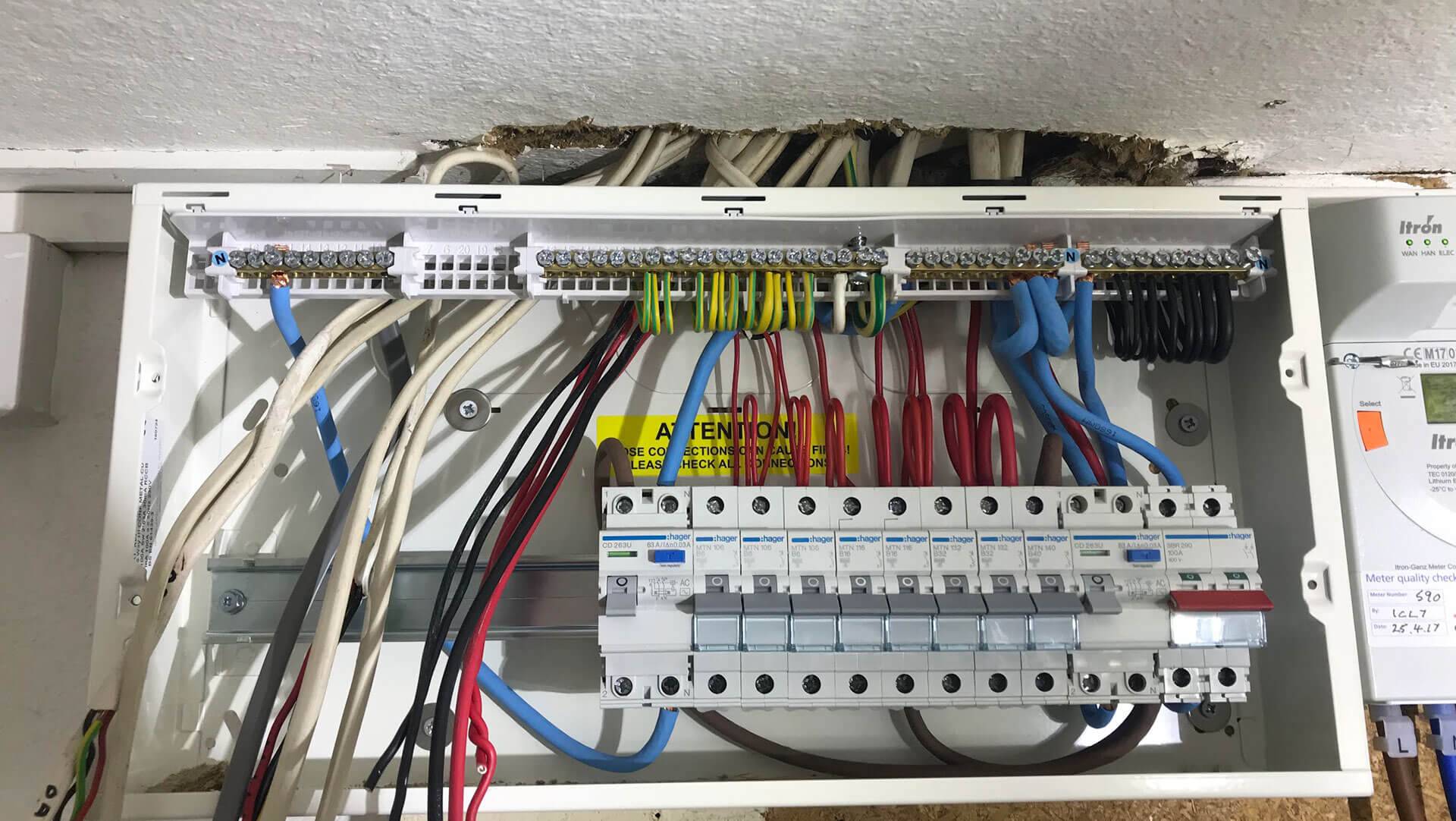
An Electrical Installation Condition Report, commonly known as an EICR, is a formal inspection of a property’s fixed electrical installation. This includes the wiring, sockets, consumer unit, and other permanent electrical components within a building.
During an EICR, qualified engineers inspect the condition of the electrical installation to identify any defects, damage, or areas that may not meet current safety standards. The inspection provides a clear picture of the overall condition of the electrical system and highlights any work that may be required.
For landlords, an EICR is a legal requirement and must be carried out at least every five years. Businesses and homeowners are also strongly encouraged to arrange regular inspections to help maintain safety and reduce the risk of electrical faults.
An EICR provides reassurance that your electrical installation is safe, reliable, and suitable for continued use.
What Is PAT Testing?
PAT testing stands for Portable Appliance Testing. Unlike an EICR, which focuses on fixed wiring, PAT testing checks portable electrical appliances that are connected to the electrical installation.
Examples of appliances commonly included in PAT testing are kettles, computers, extension leads, power tools, printers, monitors, and other equipment used in homes and workplaces.
During PAT testing, each appliance is visually inspected and tested using specialist equipment. Once complete, appliances are labelled, recorded, and included within a detailed asset list. Certification is then provided to confirm the inspection has been carried out.
For businesses, PAT testing is a simple way to help protect employees, customers, and visitors while supporting health and safety responsibilities. Although PAT testing is not specifically required by law, employers have a duty to ensure electrical equipment is safe to use.
EICR Vs PAT Testing: The Main Differences
While both inspections contribute to electrical safety, there are some key differences between them.
| Feature | EICR | PAT Testing |
|---|---|---|
| What Is Tested? | Fixed electrical installations and wiring | Portable electrical appliances |
| Examples | Sockets, wiring, consumer units | Kettles, computers, power tools, extension leads |
| Main Purpose | Assess the safety of the electrical installation | Assess the safety of portable appliances |
| Who Needs It? | Landlords, businesses and homeowners | Businesses, landlords and organisations using portable equipment |
| Compliance Benefit | Supports legal and safety requirements | Supports workplace health and safety obligations |
| Certification Provided | Electrical Installation Condition Report | PAT Testing certificate and appliance records |
Why Both Types Of Testing Matter
Electrical problems are not always visible. Faults can develop inside wiring systems or within everyday appliances without showing obvious signs. Regular inspections help identify these issues before they lead to equipment failure, downtime, or safety concerns.
An EICR focuses on the infrastructure of your electrical system, while PAT testing focuses on the appliances people use every day. Together, they provide a more complete approach to electrical safety.
For businesses, this can help protect employees, customers, contractors, and visitors. Additionally, for landlords, it helps demonstrate a commitment to tenant safety and compliance. For homeowners, regular electrical testing can provide reassurance that their property remains safe for family members and guests.
By identifying faults early, both inspections can also help reduce the likelihood of costly repairs in the future.
Who Should Arrange Electrical Testing?
Landlords have a legal responsibility to maintain safe electrical installations within their rental properties. An up-to-date EICR is therefore an important part of meeting these obligations.
Businesses should also consider both EICRs and PAT testing as part of their ongoing safety procedures. Offices, retail premises, workshops, schools, and commercial buildings often rely on a wide range of electrical equipment that should be inspected regularly.
Industrial premises can benefit from routine testing as well. Larger sites often contain a combination of fixed installations and portable equipment, making both inspections valuable for maintaining a safe working environment.
Homeowners may not be legally required to arrange these inspections as frequently, but regular electrical testing can help identify potential issues before they become more serious.
Across Somerset, including Taunton, Yeovil, and the surrounding areas, electrical inspections help property owners maintain safe and compliant buildings.
Why Choose Kings Group SW?
At Kings Group SW, we provide professional EICRs and PAT testing for homeowners, landlords, businesses, and industrial premises throughout Somerset.
Our fully qualified and fully insured engineers carry out thorough inspections using professional equipment and provide clear advice without unnecessary jargon. We pride ourselves on offering competitive pricing, fast turnaround times on certificates, and a friendly local service.
With years of experience delivering electrical testing and inspections, we help clients gain confidence that their electrical systems and appliances remain safe and compliant.
Keep Your Property Safe & Compliant
Whether you need an EICR, PAT testing, or both, regular electrical inspections are an important part of maintaining a safe property. While an EICR focuses on your building’s fixed electrical installation, PAT testing checks the portable appliances people use every day.
Together, these inspections help reduce risk, support compliance, and provide peace of mind for homeowners, landlords, and businesses alike.
If you would like to arrange electrical testing, electrical inspections, or electrical safety certificates, contact Kings Group SW today. Our experienced team is ready to help keep your property safe, compliant, and fully protected.