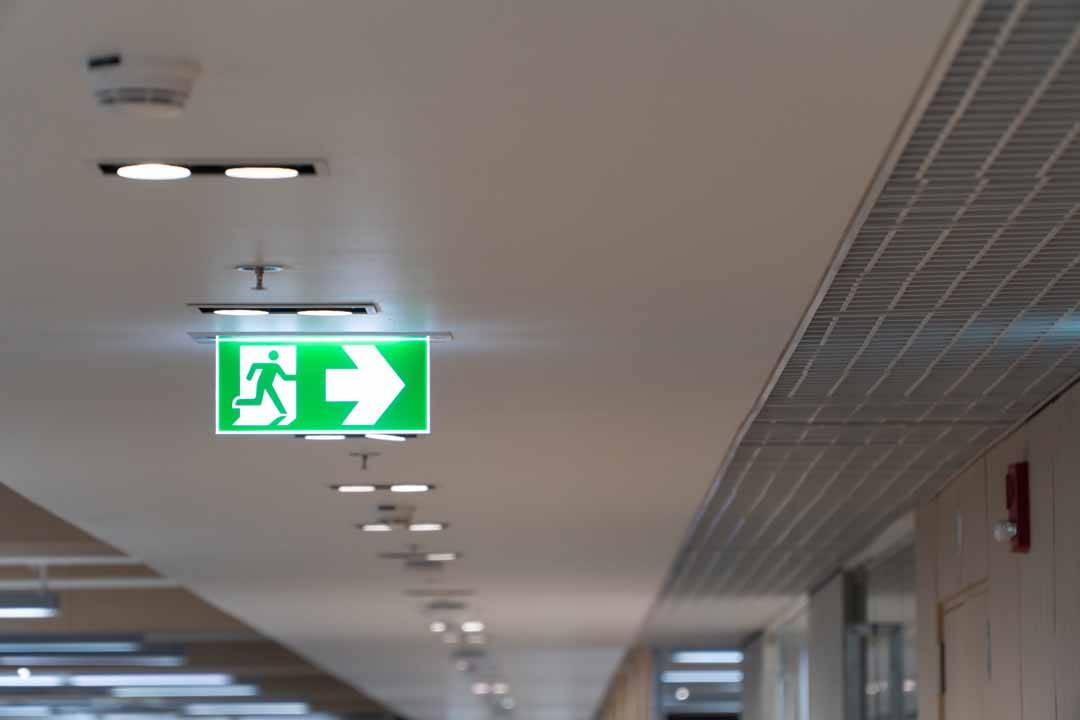
Emergency lighting keeps people safe when the power goes out, guiding them to safety during a fire, flood, or unexpected electrical fault. For UK businesses, it is a legal requirement rather than an optional extra. If you are planning a new
emergency lighting installation or upgrading an existing system, understanding the process helps you get it right first time.
What Is Emergency Lighting & Why Do Businesses Need It?
Emergency lighting activates automatically when normal power fails, illuminating escape routes, exit signs, and open areas so occupants can leave a building safely. It covers stairwells, corridors, fire exits, and any area where people might otherwise be left in darkness.
Under the Regulatory Reform (Fire Safety) Order 2005, most non-domestic buildings must have adequate emergency lighting in place. This applies to offices, schools, warehouses, retail units, and many other commercial premises across Somerset and the wider South West.
Where Should Emergency Lighting Be Installed?
The exact layout depends on your building, but emergency lighting is typically required along escape routes, at each fire exit, near firefighting equipment, and in any stairwell or corridor without natural light. Larger or open-plan spaces may need additional fittings so no area is left unlit during an evacuation.
A site survey is the best way to establish exactly what your building needs. This should take into account its layout, occupancy, and existing provisions, including a current
fire risk assessment.
Steps Involved In Installing Emergency Lighting
Assessing The Building
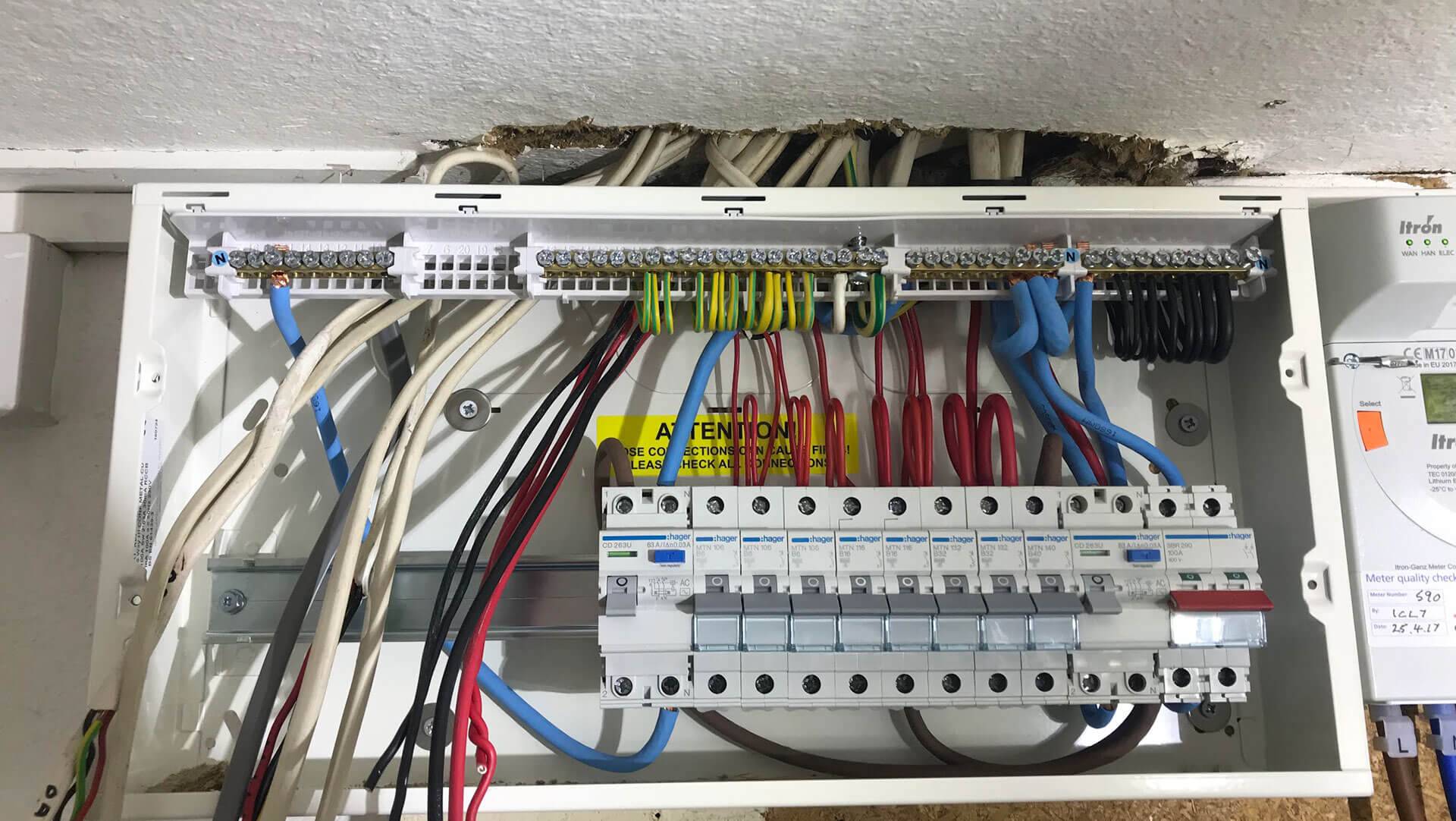
A qualified engineer will assess your building’s layout, escape routes, and existing electrical infrastructure. This step identifies where fittings are needed and whether your current wiring can support the new system.
Choosing The Right System
Emergency lighting can be maintained or non-maintained, depending on whether fittings stay illuminated at all times or only activate during a power failure. Your engineer will recommend the most suitable option for your building type and usage.
Installation & Testing
Once fittings are installed, the system is tested to confirm it activates correctly and provides sufficient illumination along all escape routes. You should receive certification confirming the work meets current safety standards.
How Often Should Emergency Lighting Be Tested?
Emergency lighting should be tested monthly with a brief functional check, and annually with a full duration test to confirm batteries last as long as required. Keeping clear records of these tests supports your wider fire safety obligations and demonstrates compliance if your building is inspected.
What Happens If Emergency Lighting Is Missing Or Faulty?
Buildings without adequate emergency lighting can fail a fire safety inspection, leading to enforcement action and, in serious cases, restrictions on how the building can be used. Beyond the compliance risk, occupants are left without guidance during an evacuation, which can turn a manageable incident into a genuinely dangerous situation.
Faulty fittings are just as much of a concern as missing ones. A unit that fails to activate, or one with a battery that no longer holds charge, offers no real protection despite appearing to be in place. This is why routine testing matters as much as the initial installation.
How Much Does Emergency Lighting Installation Cost?
Costs vary depending on the size of your building, the number of fittings required, and whether you are installing a new system or upgrading an existing one. A small office may only need a handful of units, while a larger commercial site with multiple floors and escape routes will require a more extensive layout.
The most reliable way to understand likely costs is through a site survey, which allows an engineer to recommend an appropriate system and provide an accurate quote based on your specific building.
Why Choose Kings Group SW?
At Kings Group SW, our experienced and highly qualified engineers install and maintain emergency lighting systems for businesses, schools, and organisations throughout Somerset, East Devon, and North Devon. We hold Constructionline Gold accreditation and NAPIT qualification, and our work has supported long-standing contracts with organisations including RNAS Yeovilton, Norton Manor Camp, and several local schools.
We combine this experience with a fast, friendly service, offering clear advice and fully insured workmanship on every project, from a single fitting to a complete building installation, including ongoing
commercial electrical maintenance.
Protect Your Business With A Reliable Emergency Lighting System
A well-planned emergency lighting installation keeps your building compliant and, more importantly, keeps everyone inside it safe. From initial assessment through to testing and certification, professional support ensures nothing is left to chance.
If you are ready to install, upgrade, or service your emergency lighting system,
contact Kings Group SW today for a free, no-obligation quote from our experienced team.